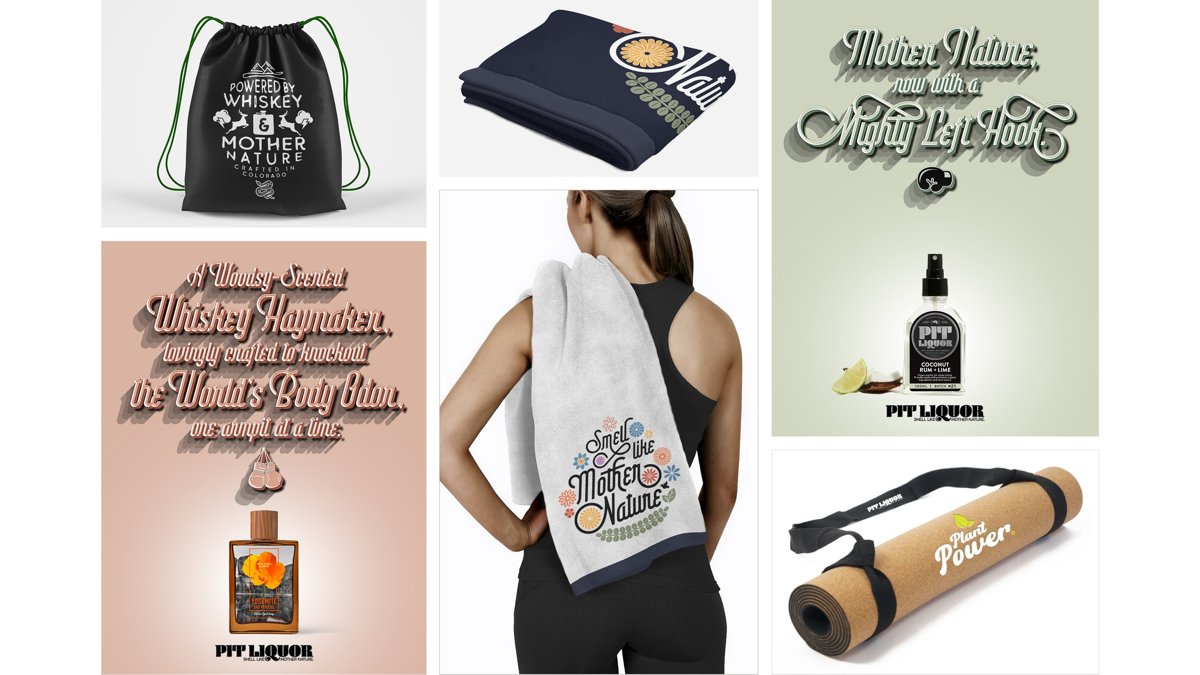
The problem
Pit Liquor makes deodorant from alcohol. Whiskey-based. Natural. Actually works. But when they came to me, they were stuck.
Natural deodorant brand? Novelty product? DTC wellness play? They had a great product and no strategic frame. They didn't know what game they were playing.
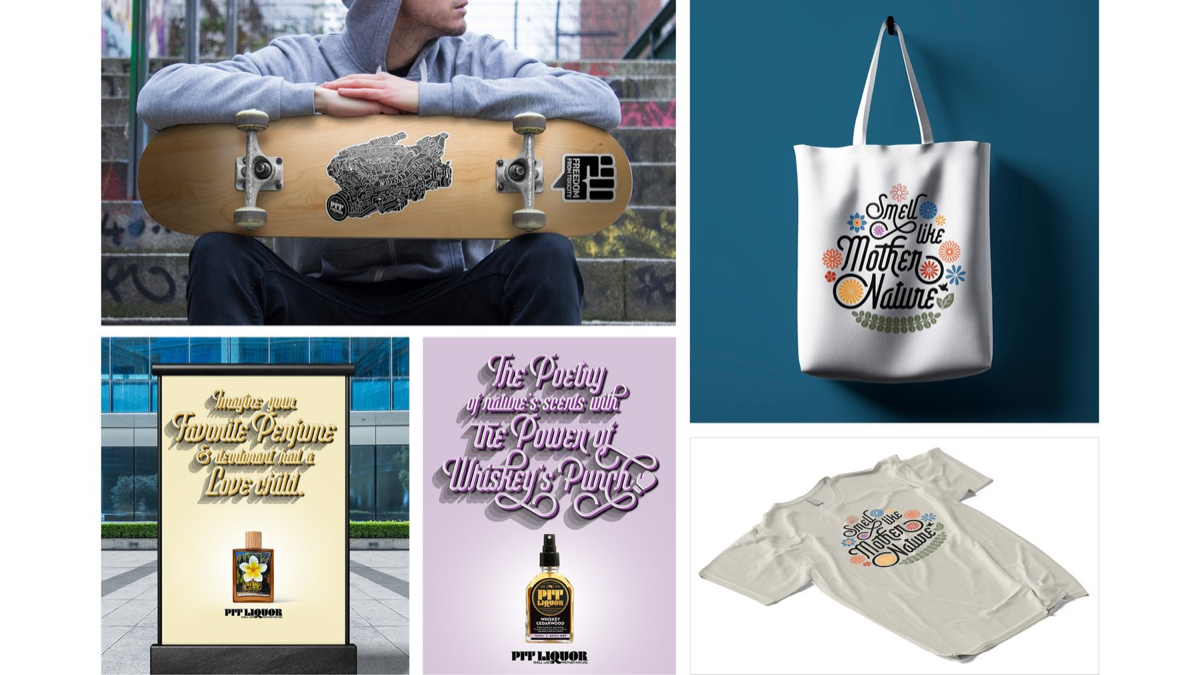
01 -- Mapping the category
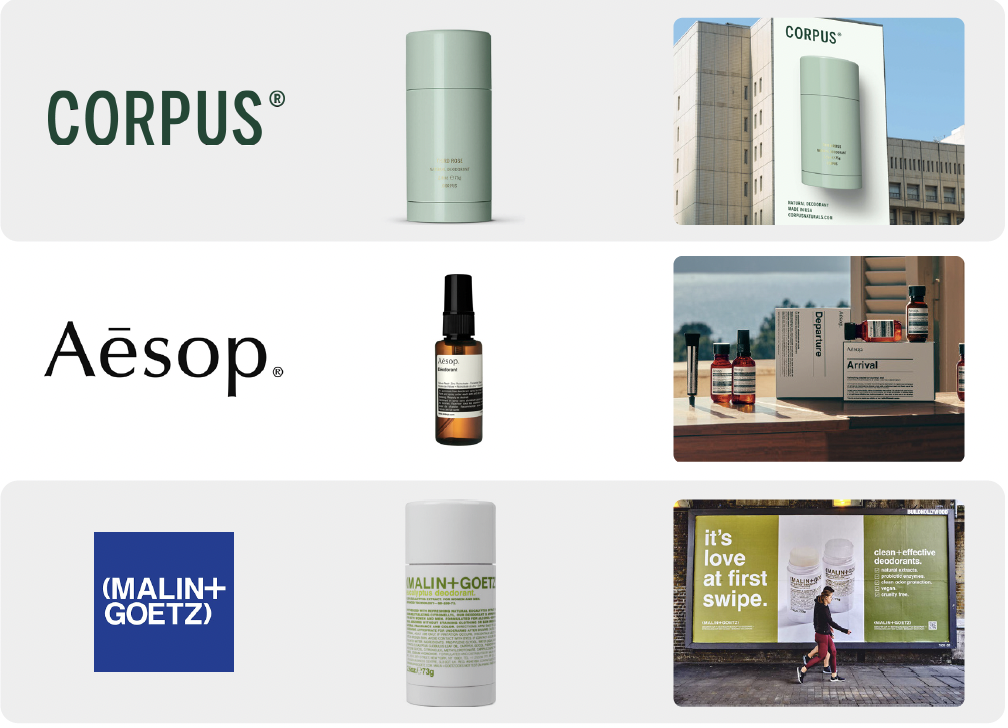
I mapped the entire deodorant landscape using a centrality-distinctiveness framework. The picture was clear: a category dominated by convention, with no aspirational leader in sight.
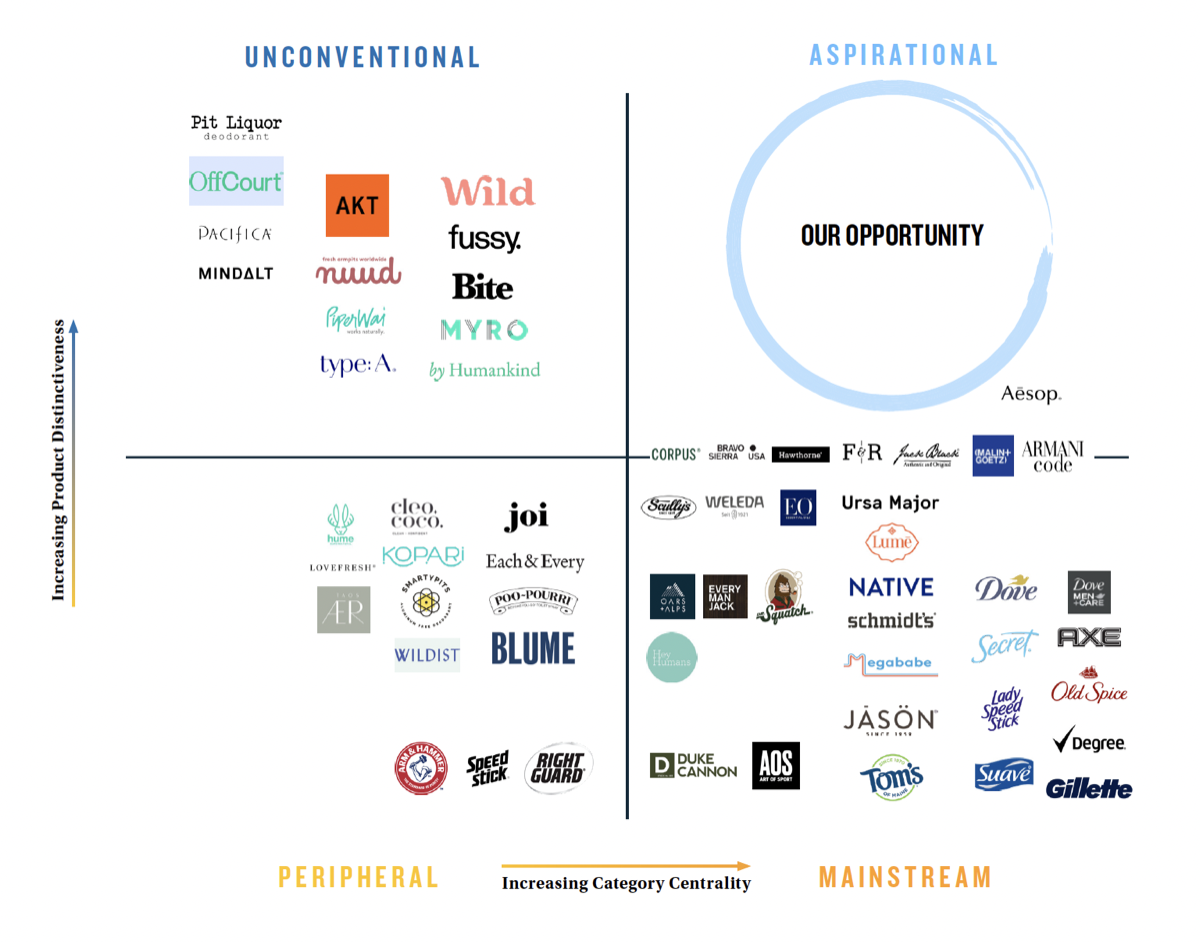
Four segments emerged:
Mainstream -- Axe, Old Spice, Degree, Secret, Tom's of Maine. Brands exploiting insecurities or riding the "natural" wave. Same shelf. Same claims.
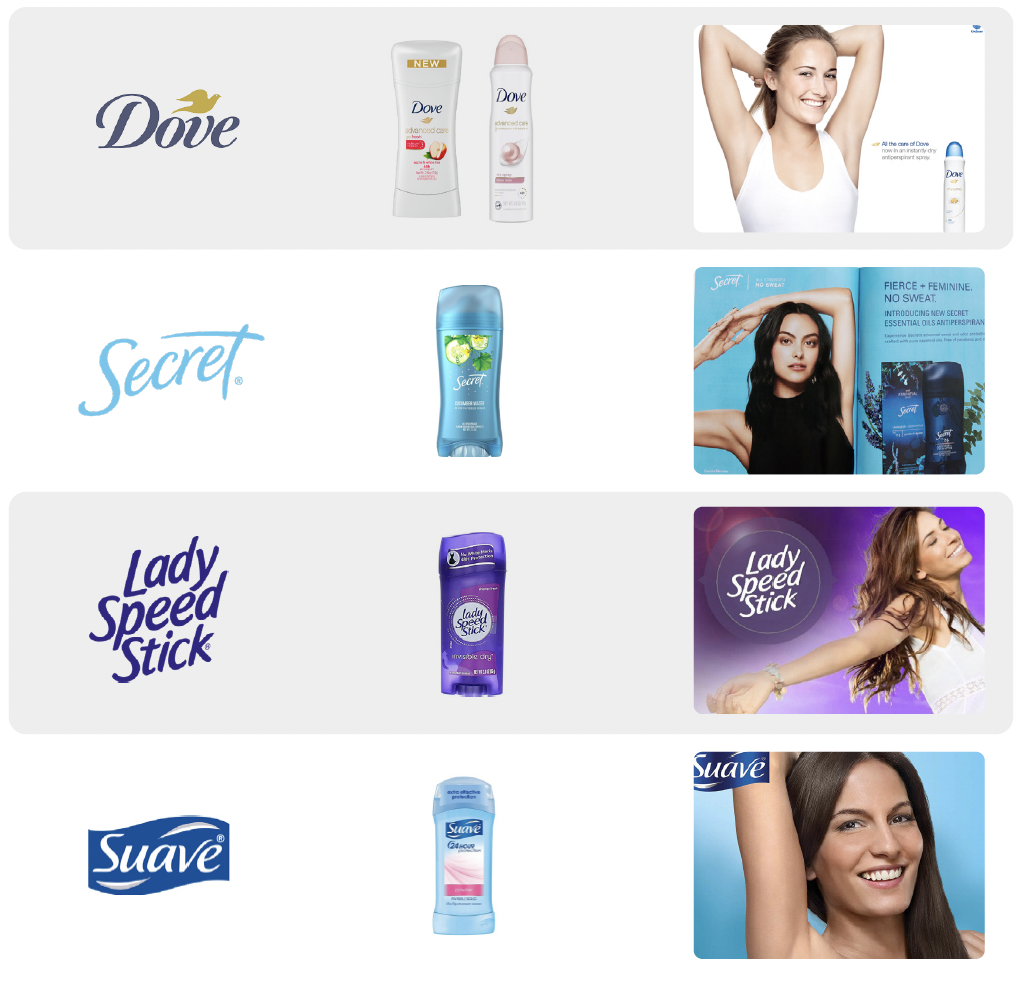
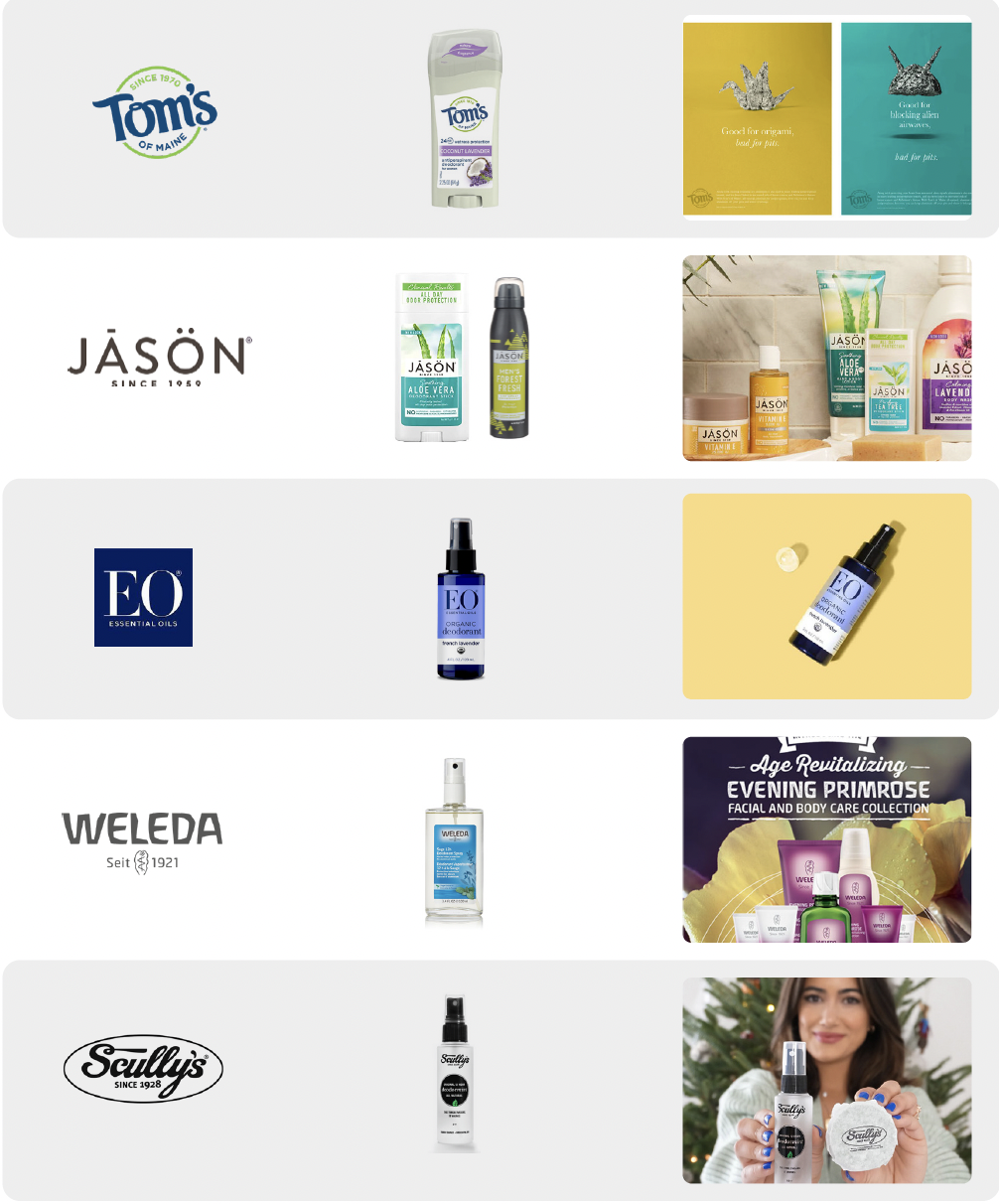
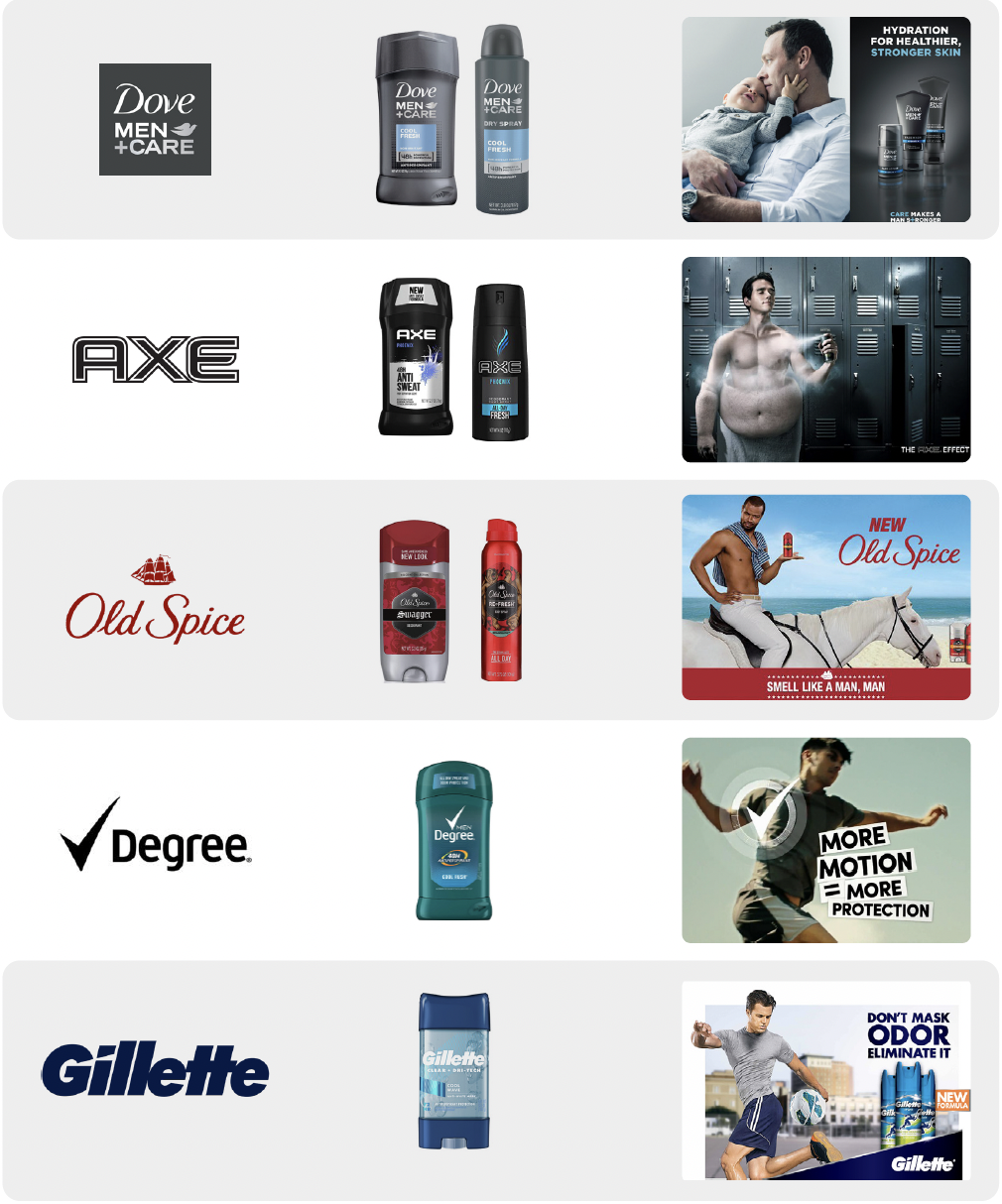
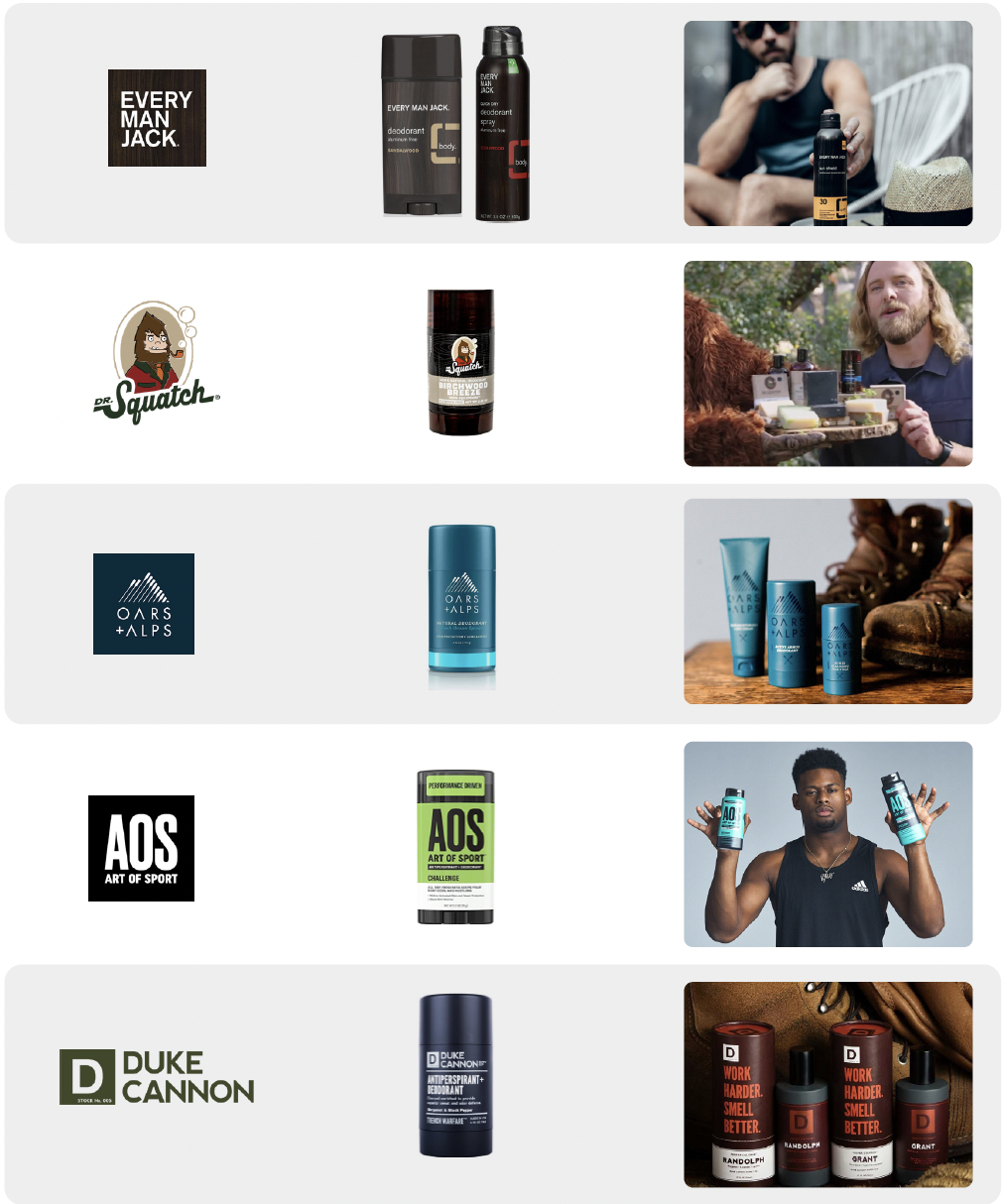
Periphery -- "Me too" brands with prettier packaging at higher prices. Faux-luxury that couldn't differentiate beyond aesthetics.
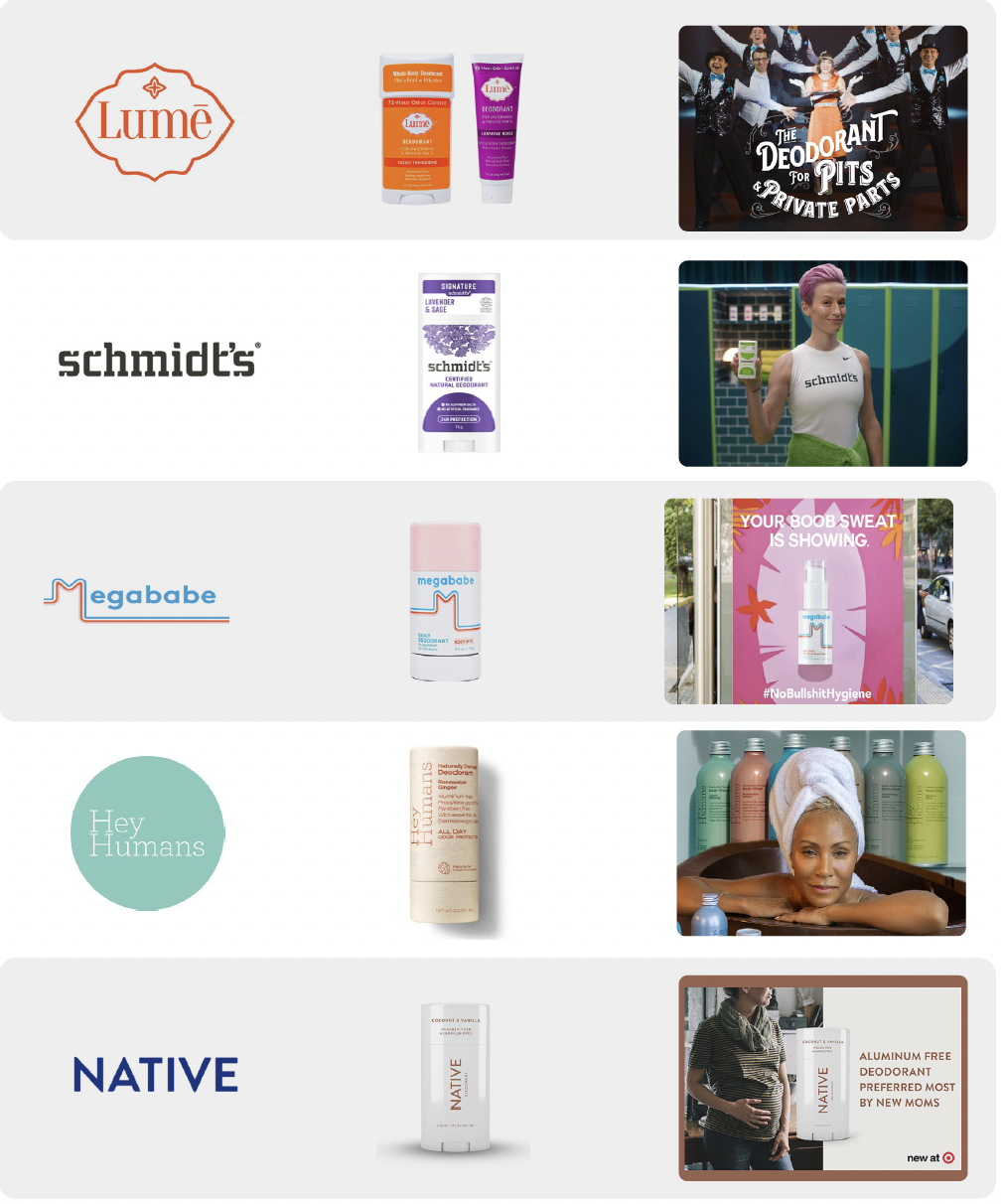
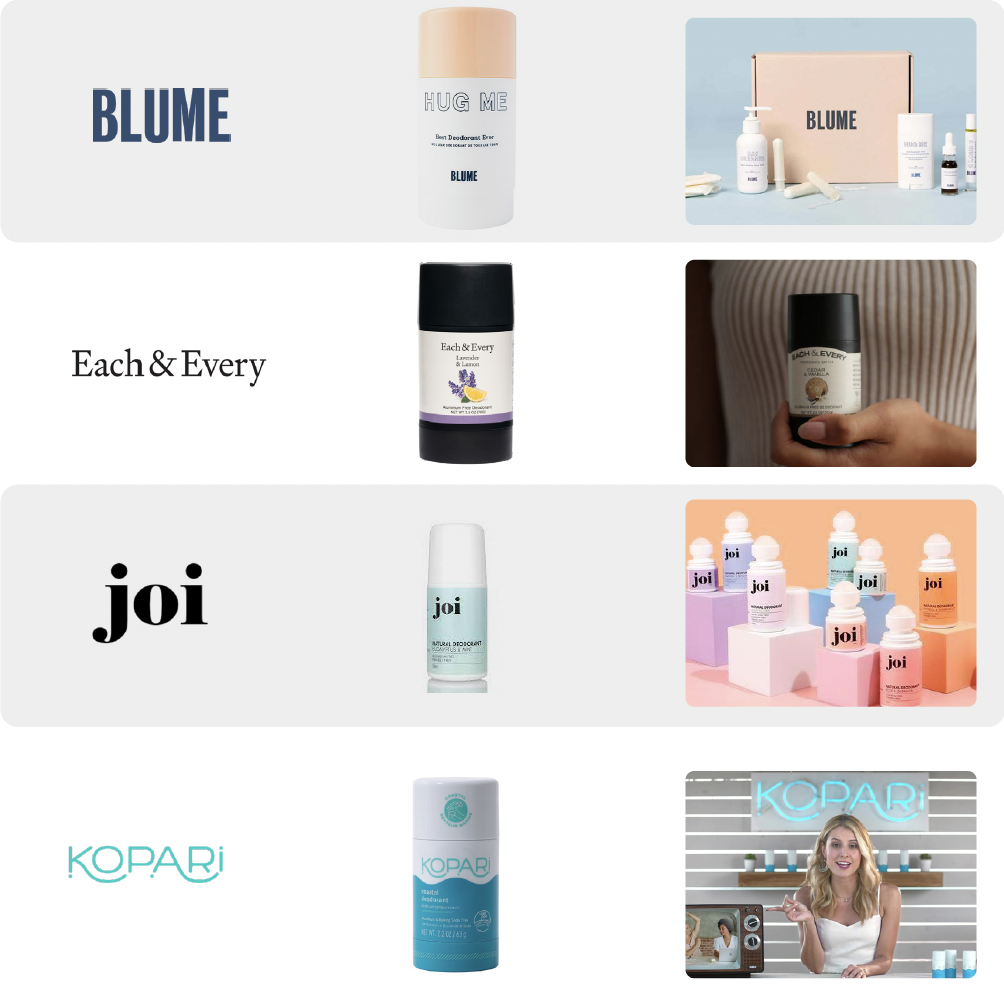
Unconventional -- Niche players doing things differently. Creams, refillable systems, challenger products. Interesting, but small.
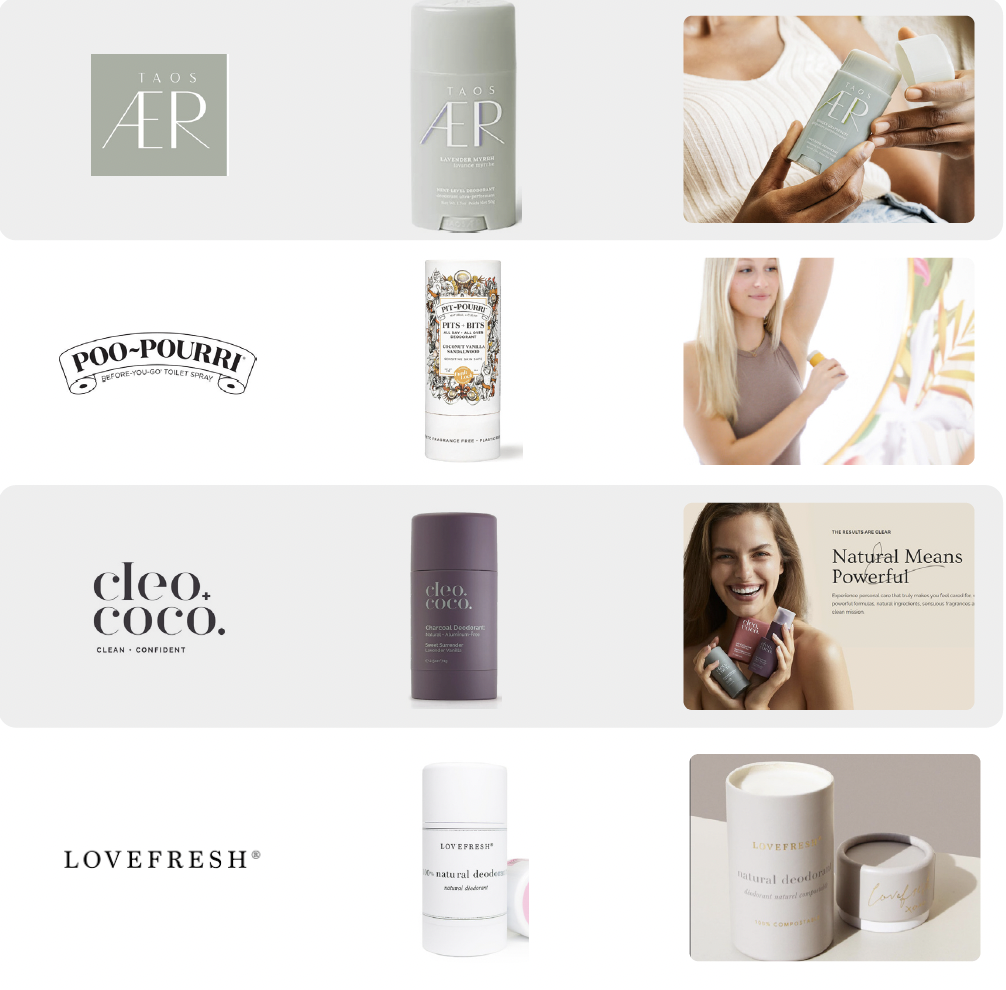
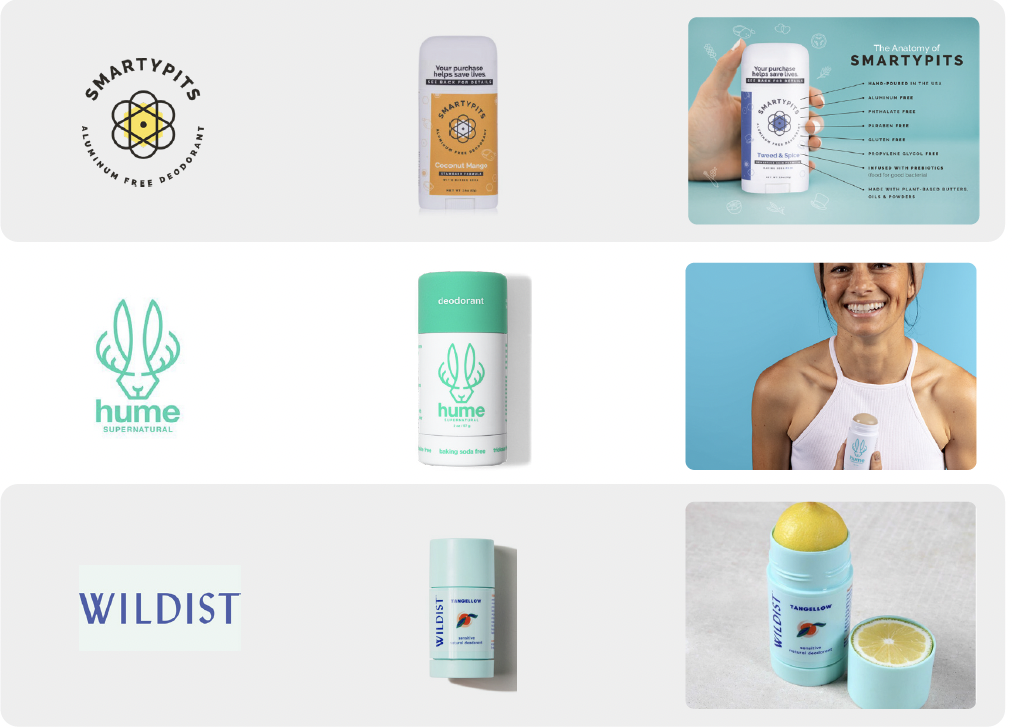
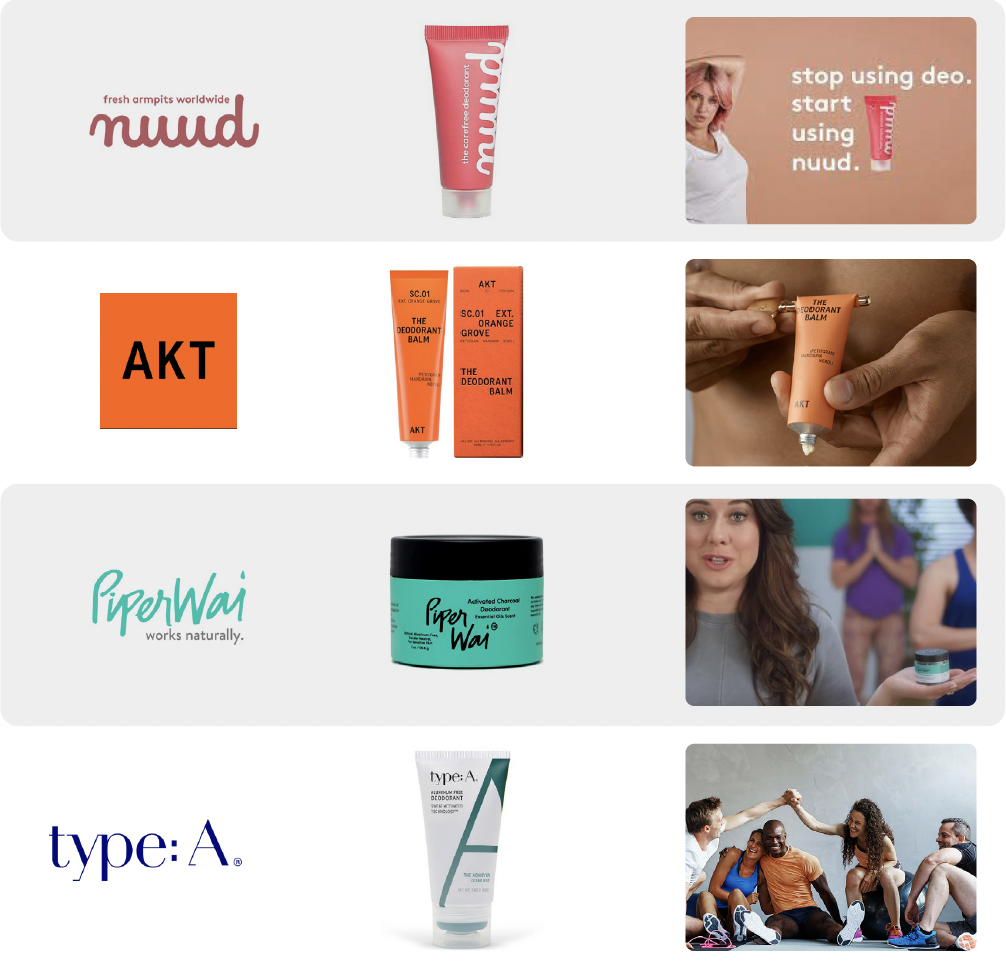
Aspirational -- Premium and differentiated brands that appeal to the masses. This segment was essentially empty. That was the whitespace.
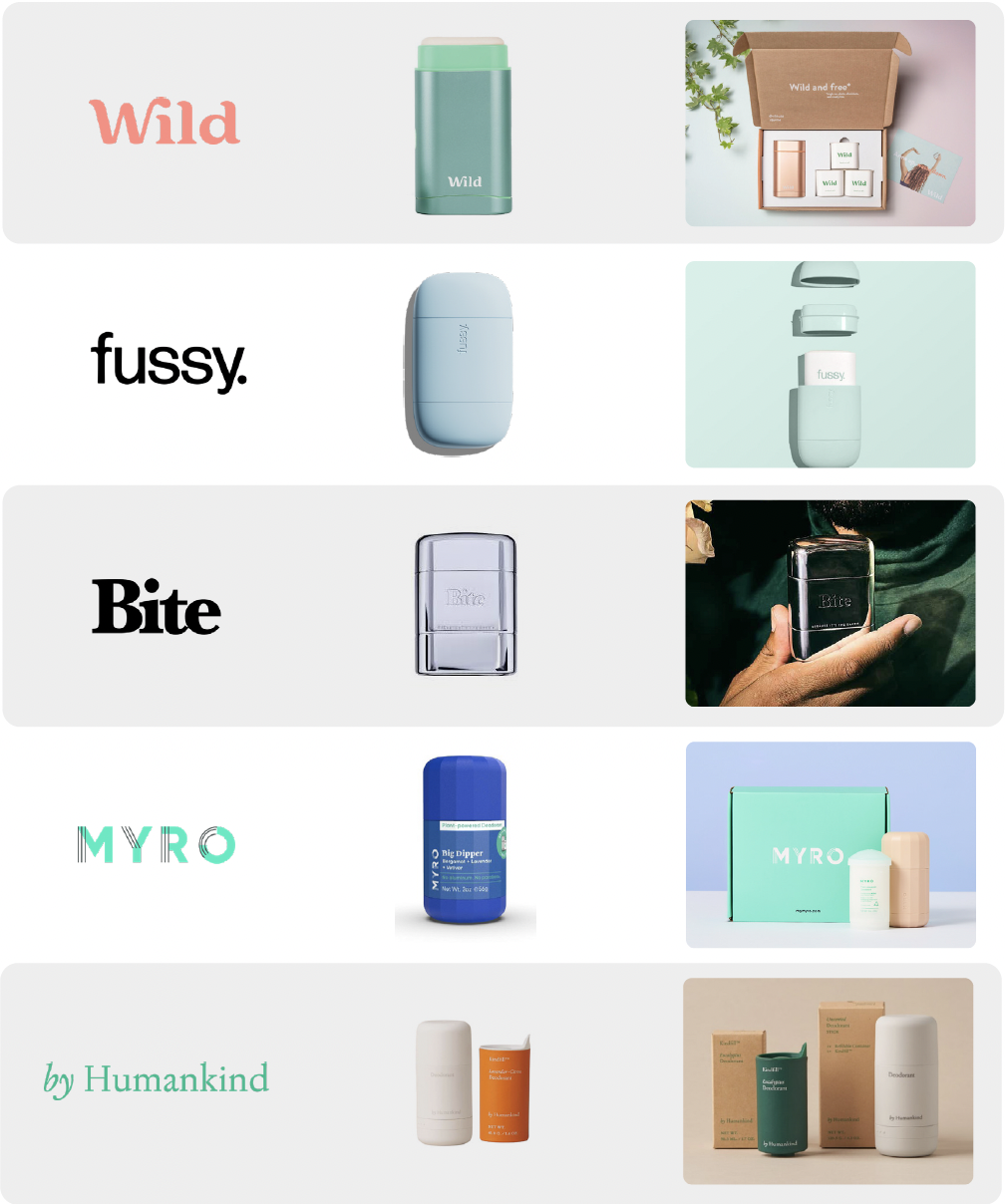
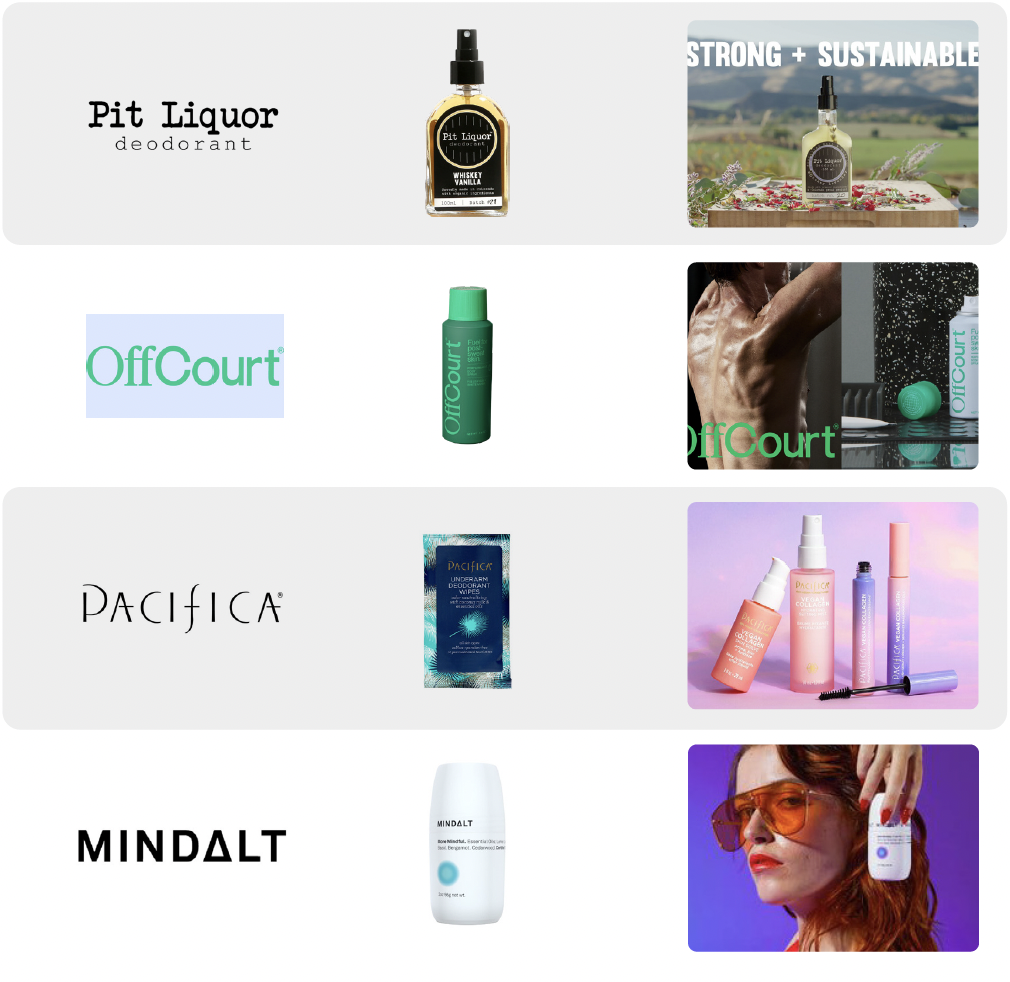
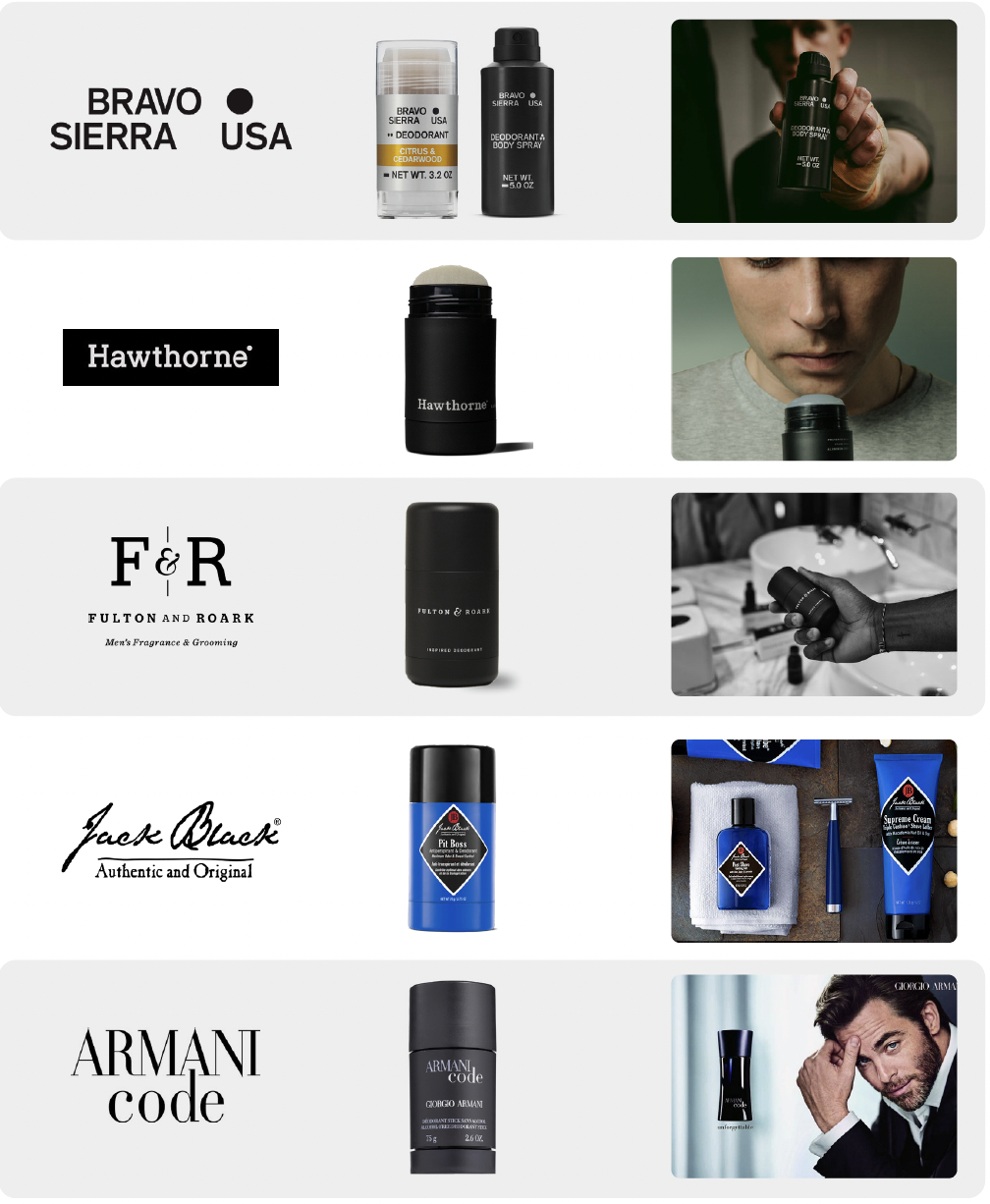
No innovative, aspirational leader. Every brand competed on packaging, not product innovation. Pit Liquor's opportunity: own the aspirational space.
02 -- Product innovation
The power of scent
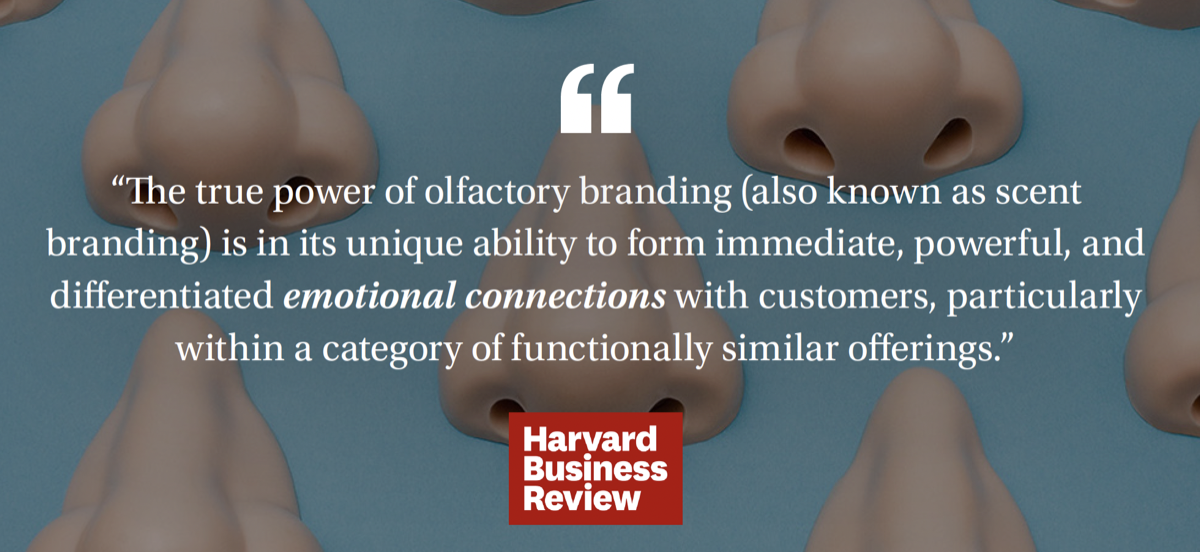
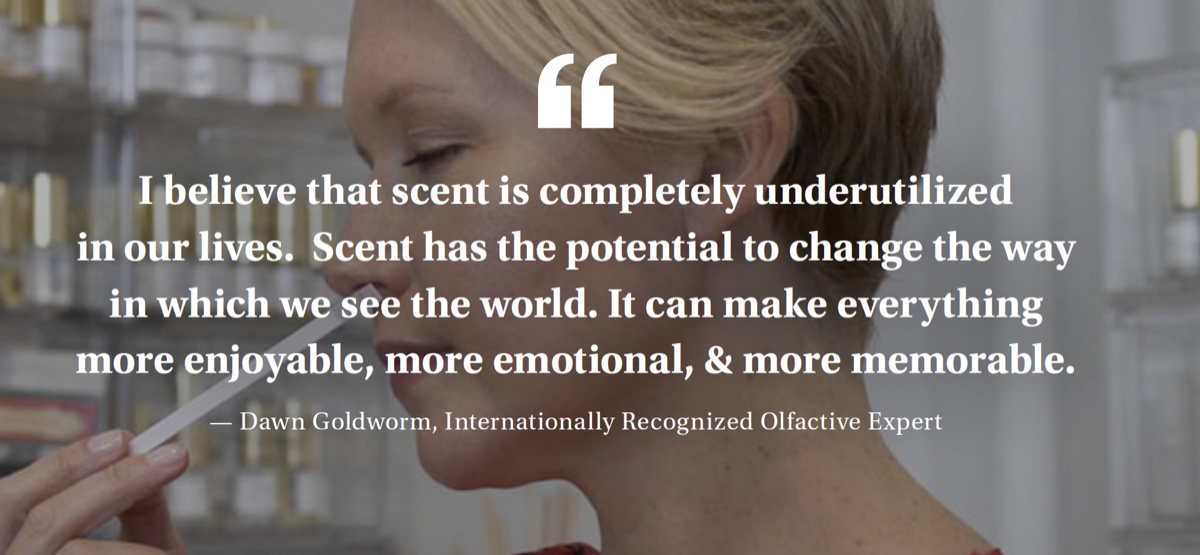
Scent drives emotion, memory, and behavior. It's intimate. It's identity. And in deodorant, it was an afterthought.
I saw the opportunity: don't just make deodorant that works. Make deodorant that moves people.
A framework for scent
I built a 6-part framework to unlock new territory:
- Places -- Destinations and locations
- Influential People -- Personal ethos brought to life
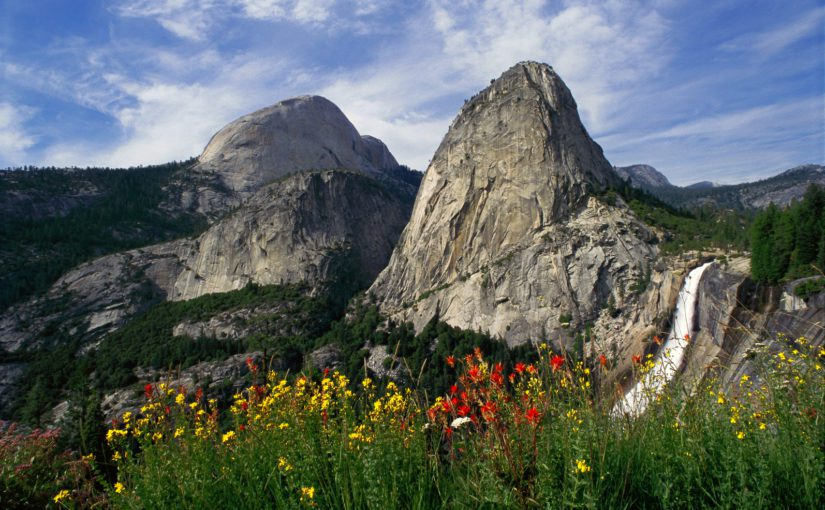
- Activities -- Designed around hobbies and movement
- Moments -- Inspired by life's best memories
- Occasions -- Built for specific contexts
- Brands -- Beloved brands translated into scent




Hybridizing deodorant with perfumery
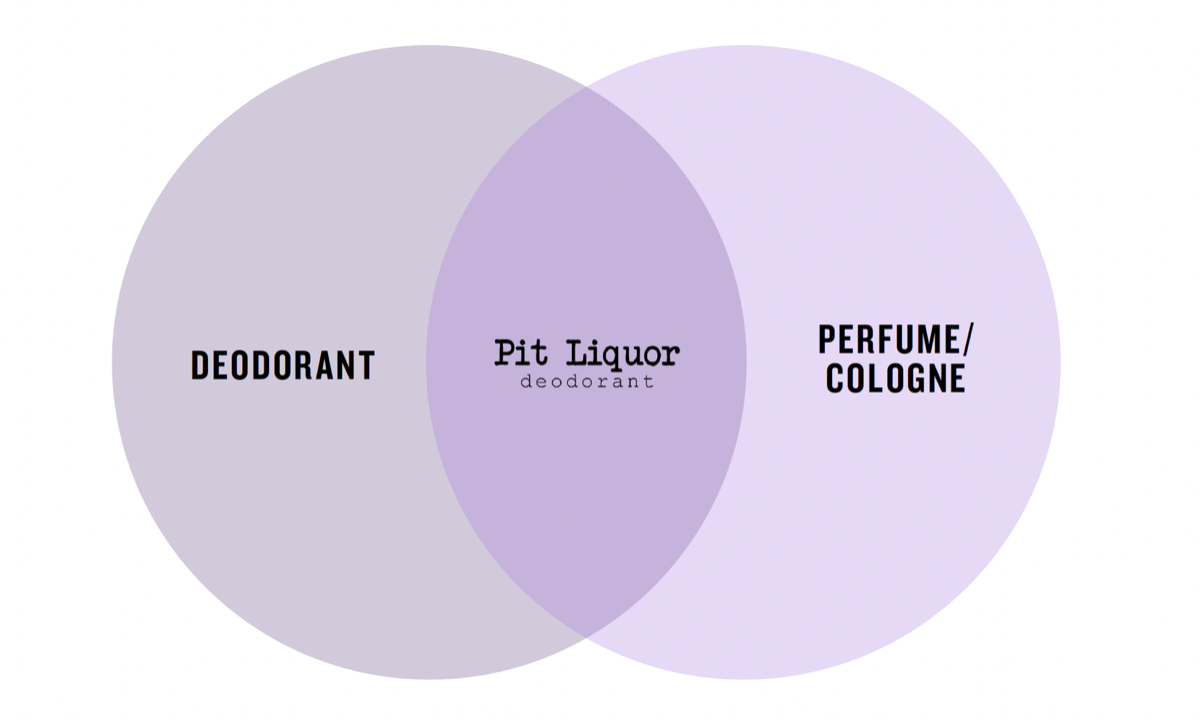
The real move: hybridize deodorant with cologne and perfume. Top notes, heart notes, base notes. Complex, layered scents that elevated the product from commodity to aspirational.
Personalization
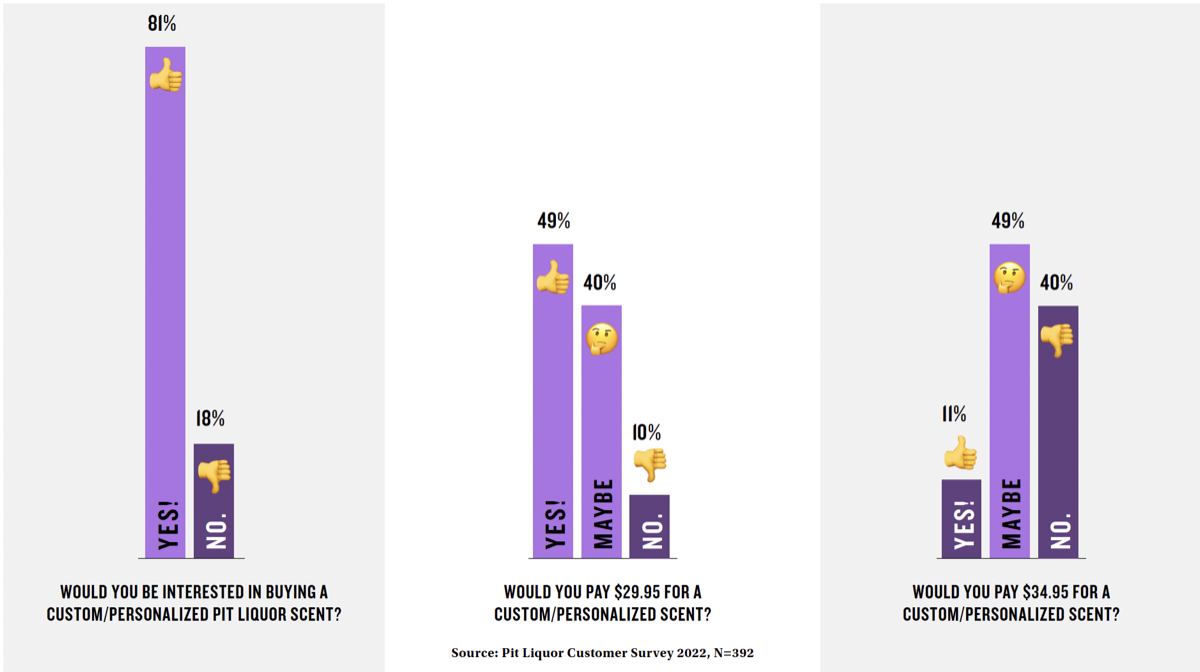
Customer surveys showed a clear willingness to pay more for a personalized product. The answer: an intelligent quiz that lets customers build their own deodorant with a unique scent profile.
03 -- Consumer insights
What the data said
I surveyed Pit Liquor's customer base to find out who was buying and why. The findings were sharp:
- Winning with women, but not high-income women
- Reaching high-income urban men effectively
- Product universally regarded as premium
Three segments
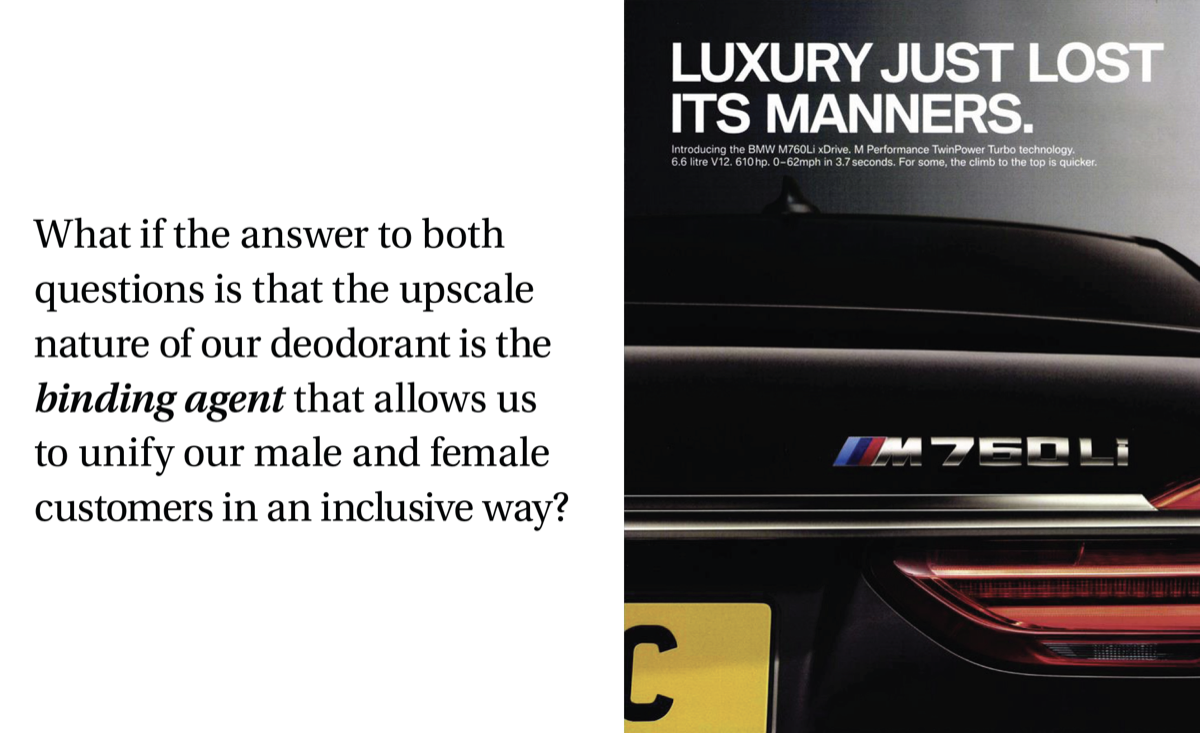
Established Elites -- Affluent, successful, fed up with low-quality deodorant. Looking for a healthier alternative that matches their lifestyle.

Emerging Professionals -- Younger, educated, entering a stage where premium matters. Health-focused, eco-conscious, digitally native.

Youthful Socialites -- Young, carefree, drawn to bold products and experiences that match their energy.

04 -- Product design
I used a "Particle Collider" approach -- immersive research across adjacent categories like supplements, fragrance tech, perfumes, and candles to find innovation fuel.
New concepts
- Reloadable Countertop Bottle -- Sustainable dispenser with interchangeable refills
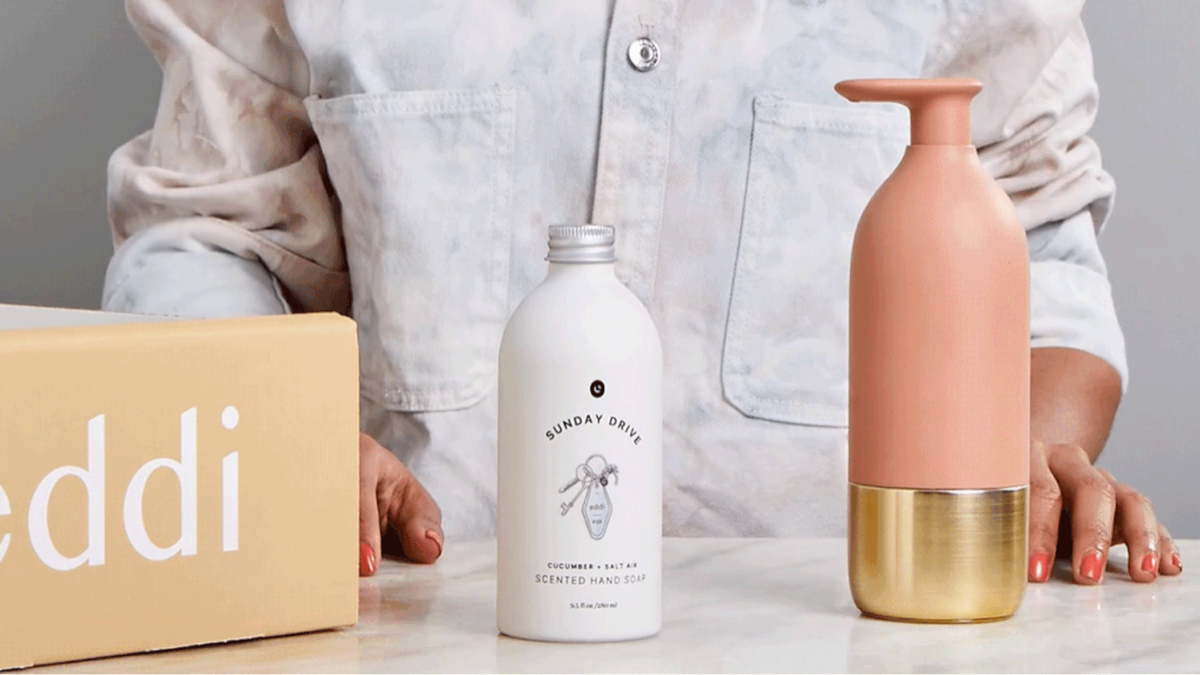
- Subscription Portable Option -- Luxury scents in a smaller, more affordable format
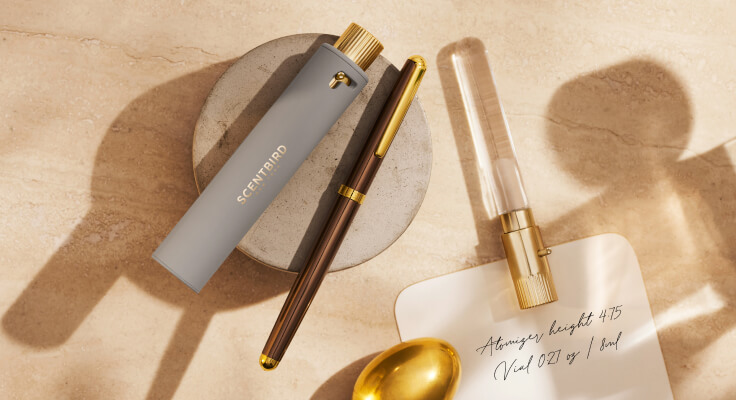
- Micro-format Spray Trials -- Small samples to solve the smell-before-you-buy problem
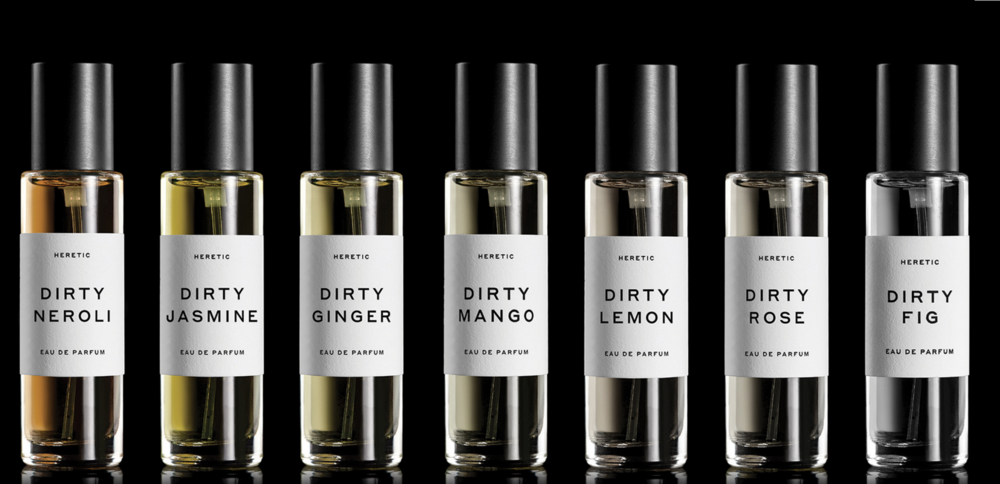
- In-House Scent Lab -- In-house manufacturing for faster development
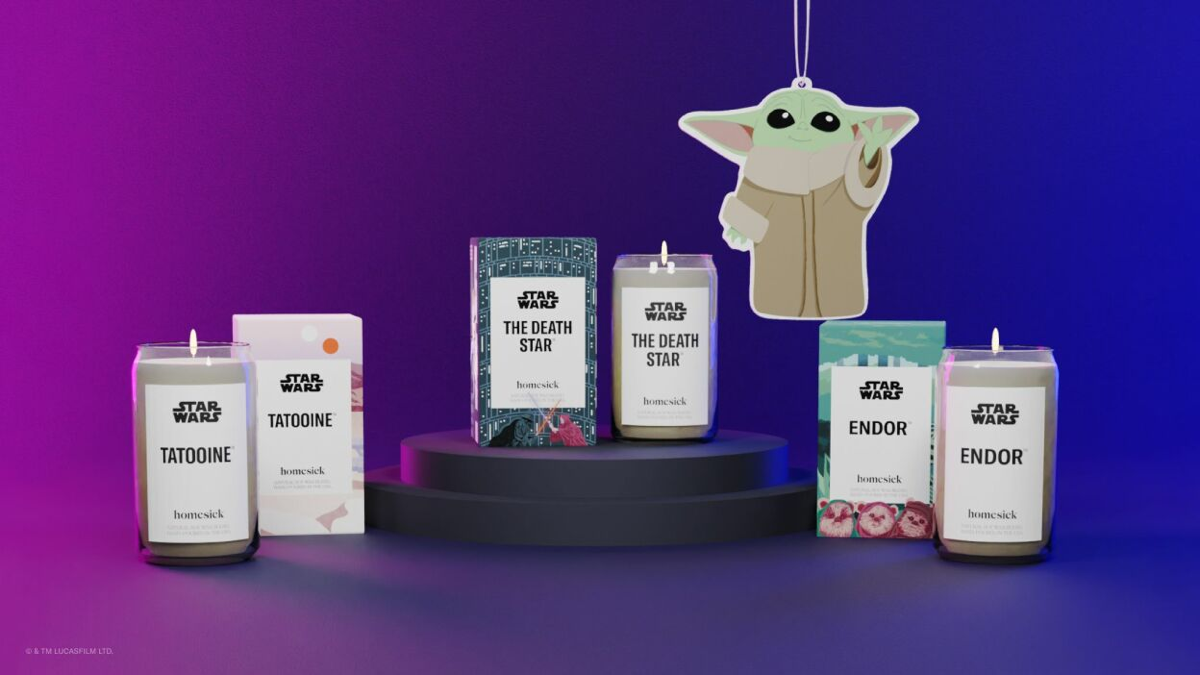
- Celebrity/Co-Branded Scents -- Partnerships for unique, limited scents
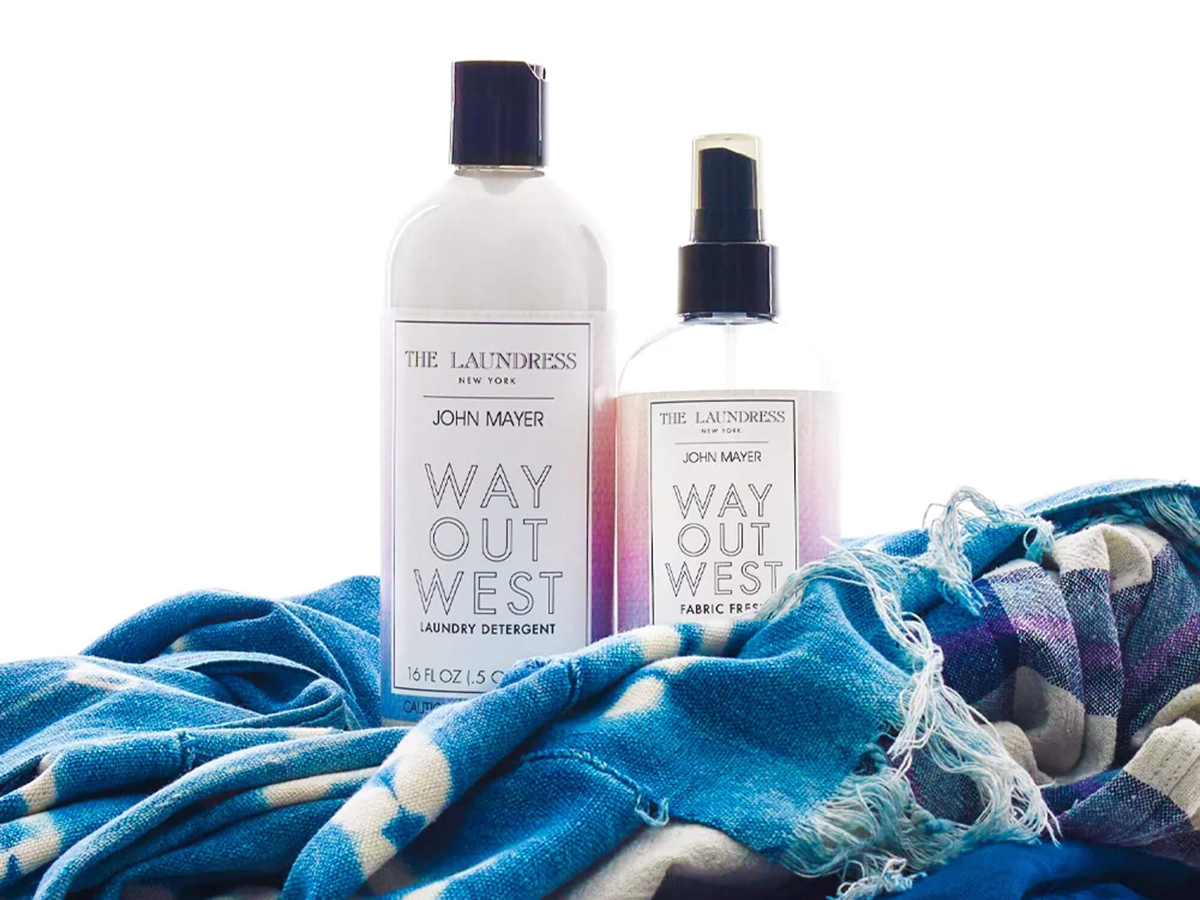
- Personalized Scents Quiz -- Build your own deodorant online
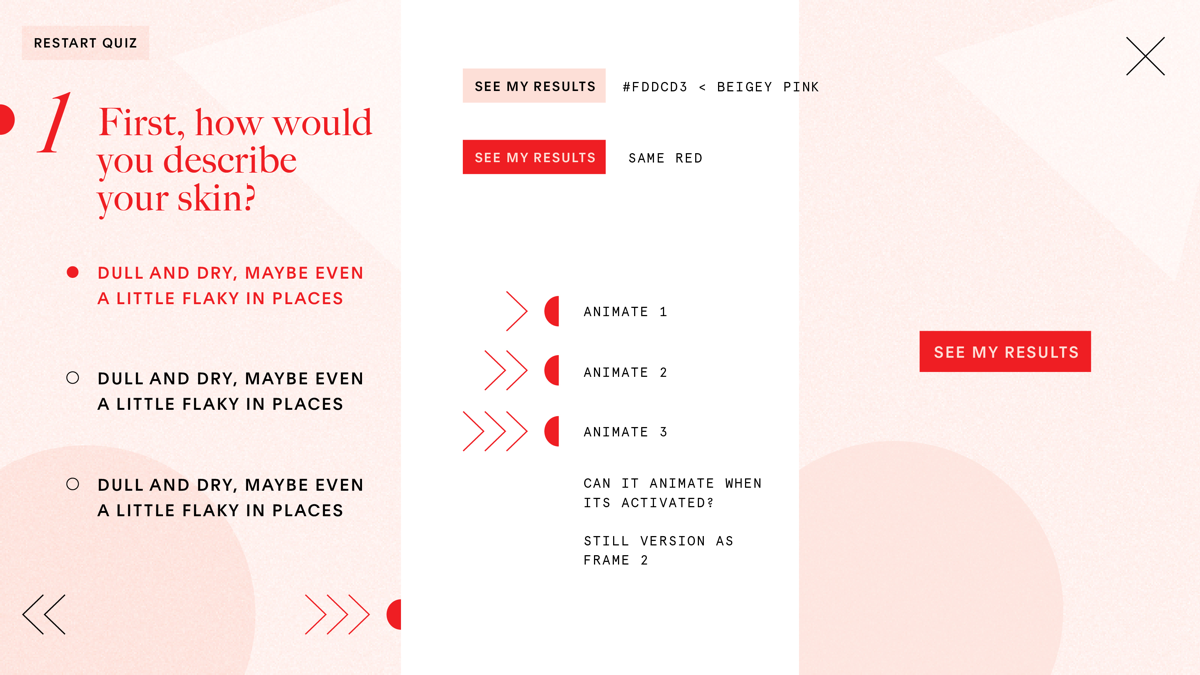
Extensions
- Luxury Perfume Roll-on -- A standalone fragrance product
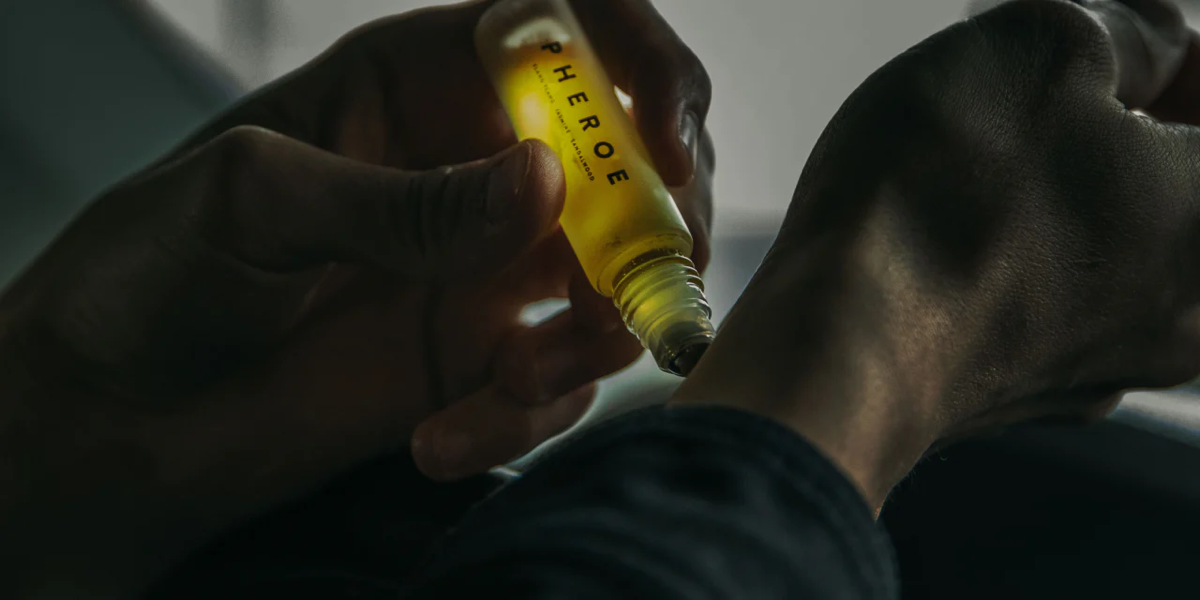
- Essential Oils Line -- Expanding into wellness
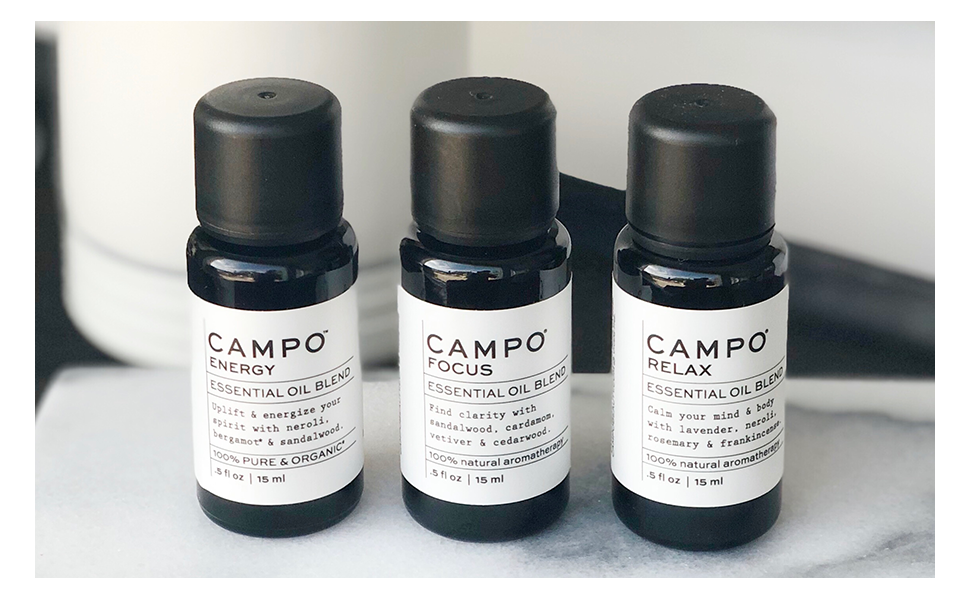
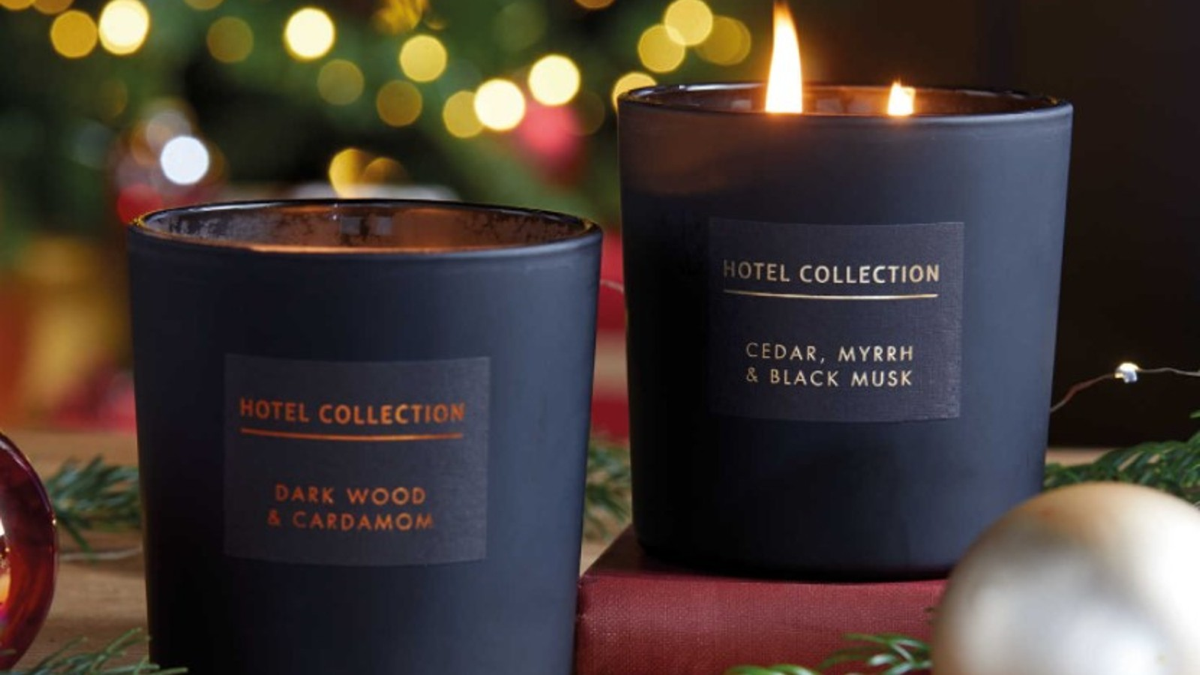
- Fragrance Experience -- Candles, diffusers, room sprays
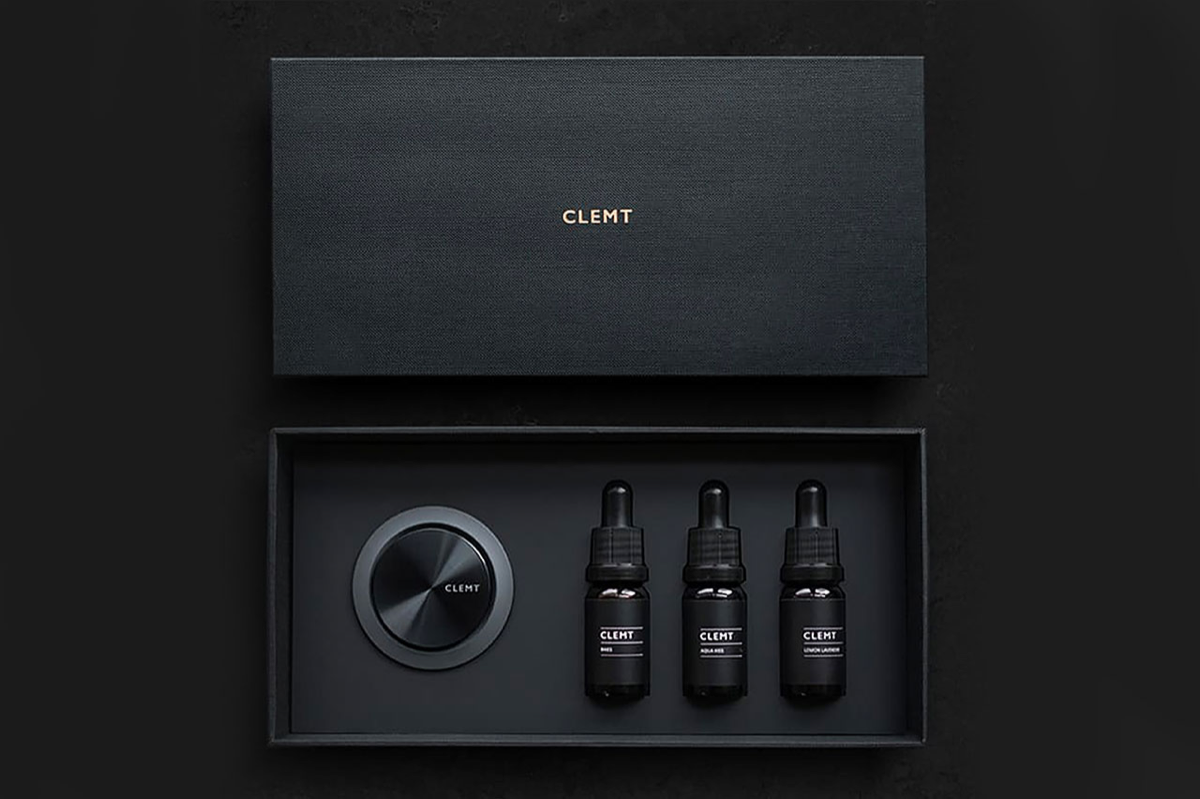
- Hotel Deodorant Line -- Private label for hospitality
05 -- The synthesis
All roads led to one theme: "Unlocking Freedom."
- Emotional freedom -- Eliminating shame. Promoting personal expression through scent
- Functional freedom -- Iconic, durable, reloadable bottles with deodorant that actually works
Pit Liquor's ambition became clear: perfect and modernize a product category that had been stagnating for decades. The competitive set shrank from hundreds to zero.